
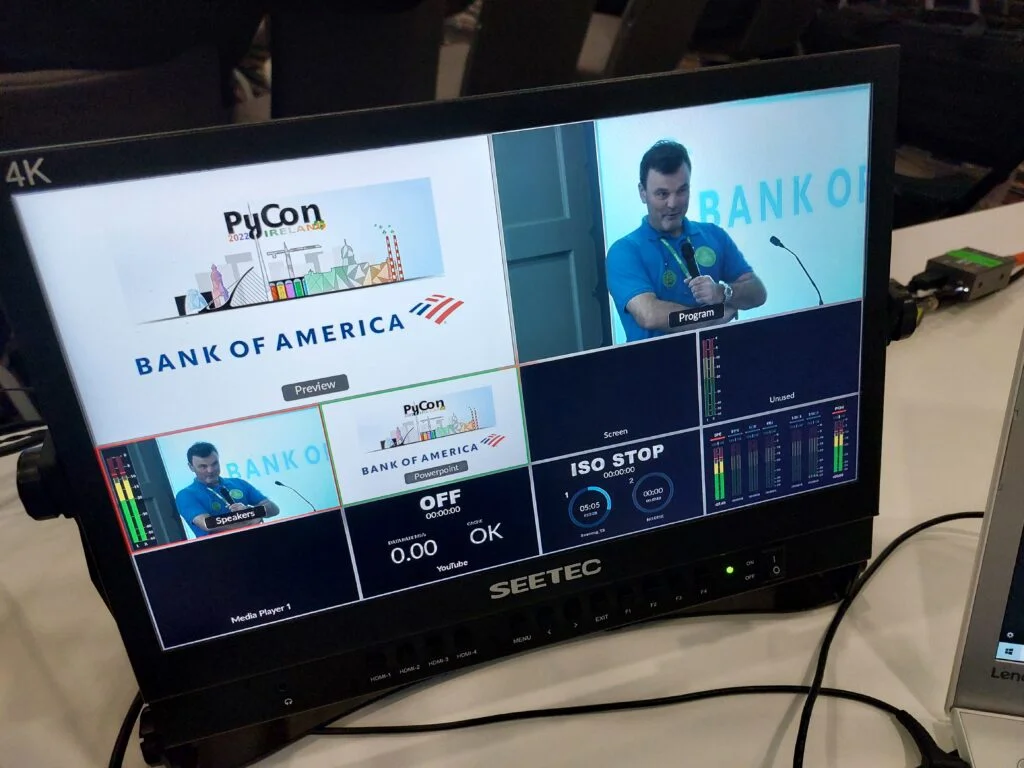
Introduction to Live Event Videography
Live event videography refers to the art and technique of capturing significant moments during events as they unfold in real-time. This form of videography has become increasingly essential across a range of industries, including corporate events, sports, concerts, weddings, and conferences. As audiences increasingly seek dynamic and engaging content, the demand for high-quality video documentation of live events continues to soar.
The significance of live event videography lies not only in its capacity to preserve memories but also in its ability to deliver compelling narratives. Corporate events benefit from professional videography, as it allows organisations to project their image authentically, showcase product launches, or capture key presentations. This content can be repurposed for marketing, training, or stakeholder engagement, greatly enhancing the event’s reach and impact.
In the realm of sports, live event videography plays a pivotal role in enhancing viewer experience. By providing instant highlights, capturing key moments, and offering multiple camera angles, videographers enrich how fans interact with the event. This is particularly important for both traditional sports and emergent eSports, where live streaming and real-time content are crucial to maintaining engagement with a broad audience.
The expanding demand for original video content in today’s digital age cannot be underestimated. With platforms such as social media and online streaming services prioritising video, effective live event videography is critical for making events accessible to wider audiences. It is not merely about filming; it is about understanding the audience’s needs, employing the right techniques, and producing high-quality video that resonates with viewers. Undertaking this artistry requires skill, foresight, and a comprehensive grasp of the event, making live event videography a multifaceted discipline deserving of attention.
Types of Live Events Requiring Videography
Videography plays a significant role in capturing the essence of live events, ensuring that moments are documented for future enjoyment and reflection. Various types of live events benefit from videography, each having its unique requirements and techniques for effective coverage. Understanding these nuances is crucial for videographers looking to excel in this field.
One prominent category of live events is conferences. These gatherings often feature keynote speeches, panel discussions, and networking opportunities, all of which are integral to the event’s success. Videographers at conferences must be adept at capturing both the speakers and the audience, often using multiple cameras and strategic angles to convey the overall atmosphere. High-quality audio is also essential, as clear sound enhances the experience for those who may later watch the recordings.
Weddings represent another critical type of live event where videography serves to preserve memories. Couples often seek videographers to document their special day, from the ceremony to the reception. The challenge here lies in capturing spontaneous moments while also respecting the couple’s vision for their wedding film. This often requires a discreet approach and an understanding of the emotional significance of various moments throughout the day.
Sports events make up another area where videography is vital. Capturing high-paced action, celebration, and emotion is essential in sports videography. Equipment such as slow-motion cameras and drones are often employed to ensure that every thrilling moment is recorded. Given the dynamic nature of sporting events, videographers must possess quick reflexes and an intimate understanding of the sport to anticipate key moments effectively.
Lastly, concerts present opportunities for videographers to harness their creativity and technical skills. Capturing the energy of live performances often necessitates innovative camera movements and lighting techniques to convey the atmosphere accurately. This not only documents the event but also enhances the experience for audience members who wish to relive the concert later.
Key Equipment for Live Event Videography
When embarking on a live event videography project, selecting the right equipment is crucial to achieving professional-quality results. The first piece of equipment to consider is the camera. A high-definition camera with capabilities for low-light conditions, such as a DSLR or mirrorless model, will provide the necessary clarity and detail in a dynamic environment. Look for features like interchangeable lenses, which enable videographers to zoom in on important moments or capture wide shots, depending on the event’s demands.
Next, a sturdy tripod is essential to ensure stable shots, particularly during long recordings. A fluid head tripod can offer smooth panning and tilting, allowing the videographer to follow action without jarring movements. Additionally, having a monopod can be beneficial for mobility when covering large events, enabling quick repositioning without sacrificing stability.
Audio quality is often just as vital as video quality; therefore, investing in high-quality microphones is imperative. A shotgun microphone is effective for isolating sound from specific subjects, while lapel (lavaliere) microphones can capture speakers’ audio clearly in conference settings. For more comprehensive audio collection, portable digital recorders can enhance sound quality and offer versatility during post-production.
Lighting should not be overlooked in event videography. If the event takes place indoors or in dim lighting, external LED lights or softboxes can help brighten the scene without causing harsh shadows. Adjustable lighting provides flexibility to accommodate different settings and create an appealing ambience in the footage.
Finally, editing software plays a vital role in post-production. Platforms like Adobe Premiere Pro or Final Cut Pro offer robust tools for fine-tuning video, integrating effects, and enhancing audio. Selecting the right software dependent on skill level and project complexity ensures a polished final product that meets professional standards.
Planning and Pre-Production Tips
Effective videography for live events, conferences, and sports necessitates comprehensive planning and meticulous pre-production work. The key to successful video capture lies in how well one prepares before the event. Collaborating with organisers is crucial; maintaining open lines of communication ensures that videographers are aligned with the event goals, schedule, and any specific requirements. Understanding the event’s flow allows for better anticipation of key moments that should be documented on film.
Creating detailed shot lists is another vital component of the planning phase. This process involves identifying the essential moments and visual narratives that need to be captured. For instance, important speeches, audience reactions, and pivotal sporting moments should be prioritised. A well-structured shot list enhances efficiency during the event, as it helps videographers remain focused and organised. It is advisable to include not only the types of shots but also the equipment needed for each moment to streamline the actual filming process.
Site visits for location scouting play a significant role in pre-production. Familiarising oneself with the venue helps videographers to make informed decisions regarding camera placements, lighting, and potential challenges. It allows for the assessment of acoustics, natural light conditions, and backdrops that may affect the overall quality of the footage. Moreover, scouting aids in identifying spots that offer the best angles for significant action or speeches, further enhancing video quality.
Finally, preparing for contingencies is an essential aspect of planning. Live events are unpredictable, so having backup equipment and a flexible shooting plan is prudent. By devising strategies to address potential technical failures or unexpected changes in the schedule, videographers can ensure seamless footage capture. This approach not only safeguards against mishaps but also contributes to the creation of a polished final product that resonates with viewers.
Techniques for Capturing Engaging Footage
To create captivating videos during live events, conferences, and sports, videographers must employ a variety of techniques that enhance the overall viewer experience. One essential method is the careful selection of camera angles. Different angles can drastically affect how a scene feels, with wide shots providing context and close-ups drawing attention to emotions. For instance, capturing a presenter’s expressions during a conference can convey enthusiasm and engagement, which may resonate with the audience.
Movement is another crucial component in producing compelling footage. Utilising techniques such as panning and tracking creates a dynamic viewing experience. For example, following a speaker on stage as they move can establish a connection with the audience, making them feel more involved in the action. Similarly, using sliders or gimbals can provide smooth transitions and maintain stability, resulting in polished footage that holds the viewer’s attention.
Framing strategies also play a significant role in videography. Adopting the rule of thirds when composing shots can lead to more aesthetically pleasing videos. By strategically placing subjects along the intersecting lines of the grid, videographers can create balanced and interesting visuals. Additionally, framing individuals within their environment can provide context, helping viewers understand the significance of the event.
Moreover, incorporating creative storytelling approaches can significantly elevate the content’s impact. Establishing a narrative arc—starting with an introduction, followed by the main events, and concluding with a powerful ending—encourages viewers to engage with the material on a deeper level. Using techniques such as voiceovers and interviews can further enhance storytelling by adding layers of insight and perspective.
Incorporating these techniques thoughtfully will not only improve the quality of the footage but also ensure that viewers remain engaged throughout the experience. By focusing on angles, movement, framing, and storytelling, videographers can create a remarkable impact at live events, conferences, and sports.
Challenges in Live Event Videography and How to Overcome Them
Live event videography encompasses a host of challenges that can affect the quality of the footage captured. One of the most significant obstacles is unpredictable lighting conditions. Events typically take place in various environments, ranging from the bright lights of a conference hall to the dim ambiance of a concert setting. These variations can lead to poorly lit footage or harsh shadows that detract from the overall image quality. To mitigate this issue, videographers should invest in high-quality cameras that perform well in low-light situations and carry portable lighting equipment for enhancement as necessary. Additionally, pre-event visits can help in assessing lighting conditions and planning the necessary adjustments.
Another common challenge is sound quality. Many live events generate a substantial amount of background noise, which can interfere with audio capture. This is particularly problematic in dynamic environments such as sports events or crowded conferences where multiple speakers might be competing for attention. To address this issue, utilising directional microphones that focus on the desired sound source can prove beneficial. Moreover, employing sound mixing equipment can help balance and enhance audio clarity, ensuring that key moments are captured without overwhelming distractions.
Crowd interference also poses a challenge in live event videography. Attendees can inadvertently block cameras or create noise that disrupts filming. To counteract this, strategic camera placements are essential. Videographers should scout the location ahead of time to identify optimal spots that offer clear lines of sight to the action while minimising crowd disruptions. Additionally, clear communication with event organisers may help in facilitating designated shooting areas that allow videographers to operate effectively without obstructing the audience’s experience.
By being prepared and employing these best practices, videographers can navigate the complexities of live event filming and produce high-quality results that capture the essence of the moment.
Post-Production: Editing and Enhancing Video Content
The post-production phase is a vital component of videography, playing a significant role in transforming raw footage into polished, captivating content. During editing, one must carefully select and arrange the best clips to create a coherent narrative that effectively communicates the intended message of the live event, conference, or sports activity. The editing process allows for cutting out superfluous parts, thereby sharpening the audience’s focus on key moments.
Incorporating graphics is another essential aspect of post-production. Visual elements such as lower thirds, logos, and titles can greatly enhance the viewer’s experience. These graphics should align with the overarching theme of the event and maintain brand consistency throughout the video. Thoughtful use of visual elements not only makes the video more engaging but also provides critical information, helping to frame context for the audience.
Audio enhancement is equally crucial in the post-production phase. High-quality audio can dramatically impact the overall perception of a video. It is essential to synchronise sound effectively, eliminate background noise, and balance audio levels. Moreover, adding background music or sound effects can enrich the emotional connection of the viewers to the content. The choice of audio should align with the video’s tone; for example, upbeat music may suit a sports highlight reel, whereas softer tones might be more appropriate for a corporate conference.
Consistency in style across all edited videos is imperative, as it helps in building a recognisable brand identity. This includes decisions about colour grading, transitions, font choices, and pacing. Lastly, the optimisation of videos for various platforms—be it social media, websites, or digital marketing—ensures maximum reach and engagement. Each platform may have specific requirements regarding duration, resolution, and format, making it necessary to tailor the final product accordingly.
The Role of Live Streaming in Videography
Live streaming has revolutionised the way events, conferences, and sports are documented and shared with audiences. This growing trend offers an opportunity for videographers to transcend geographical limitations, allowing them to reach a broader audience. By integrating live streaming into their toolkit, videographers can enhance viewer engagement and create a more immersive experience for those unable to attend in person. The importance of real-time content delivery cannot be overstated, as it cultivates an immediate connection with viewers and drives real-time interaction.
To successfully implement live streaming, videographers must familiarise themselves with various tools and platforms suited for broadcasting. Some popular platforms include YouTube Live, Facebook Live, and Twitch, each offering unique features and capabilities. Selecting the right platform depends on the target audience and the specific requirements of the event being streamed. Additionally, videographers need to invest in quality equipment, such as HD cameras, reliable audio gear, and stable internet connections to ensure professional-grade broadcasts. This investment significantly boosts the quality of the live stream, reflecting the videographer’s commitment to delivering engaging and polished content.
Moreover, employing effective strategies for live streaming can enhance audience interaction. Incorporating features such as live chat, polls, and viewer Q&A sessions fosters a two-way communication channel between the audience and presenters. This interaction not only holds viewers’ attention but also encourages them to be actively involved, enhancing the overall experience. Planning for pre-event promotions, such as teaser videos and countdowns, can also generate excitement and anticipation among potential viewers.
Ultimately, live streaming is an integral aspect of modern videography, providing innovative avenues for reaching and engaging audiences in the digital age. By mastering the necessary tools and strategies, videographers can elevate their craft and ensure that the essence of the event is captured and shared with a global audience, making each broadcast a memorable experience.
Conclusion: The Future of Live Event Videography
The significance of videography in capturing live events, whether they be conferences, sports, or various gatherings, remains paramount. The ability to document these experiences not only offers a chance to revisit cherished moments but also creates an opportunity for wider audience engagement, enabling those who could not attend in person to experience the event through video content. As live events continue to grow in both scale and diversity, the role of videographers will become increasingly vital in crafting compelling narratives that resonate with viewers.
Looking ahead, technological advancements will dramatically reshape the landscape of live event videography. Innovations such as augmented reality (AR) and virtual reality (VR) are set to revolutionise how audiences engage with these events, providing immersive experiences that transcend traditional viewing methods. Additionally, the rise of high-definition video, drones, and 360-degree cameras will allow videographers to capture events from various angles and perspectives, enhancing the overall production quality. This evolution will necessitate that videographers not only adapt to new tools but also embrace new storytelling techniques that leverage these technologies.
Moreover, the shift towards digital platforms means that audience expectations are continuously evolving. Videographers must remain attuned to the preferences and behaviours of their viewers, ensuring their content is not just visually appealing but also relevant and impactful. Engaging with audiences through social media and interactive content will further enhance the experience, establishing a two-way connection between creators and spectators. As the industry progresses, it is crucial for videographers to invest in continuous learning and skill development, preparing themselves for future challenges and opportunities in this dynamic field.